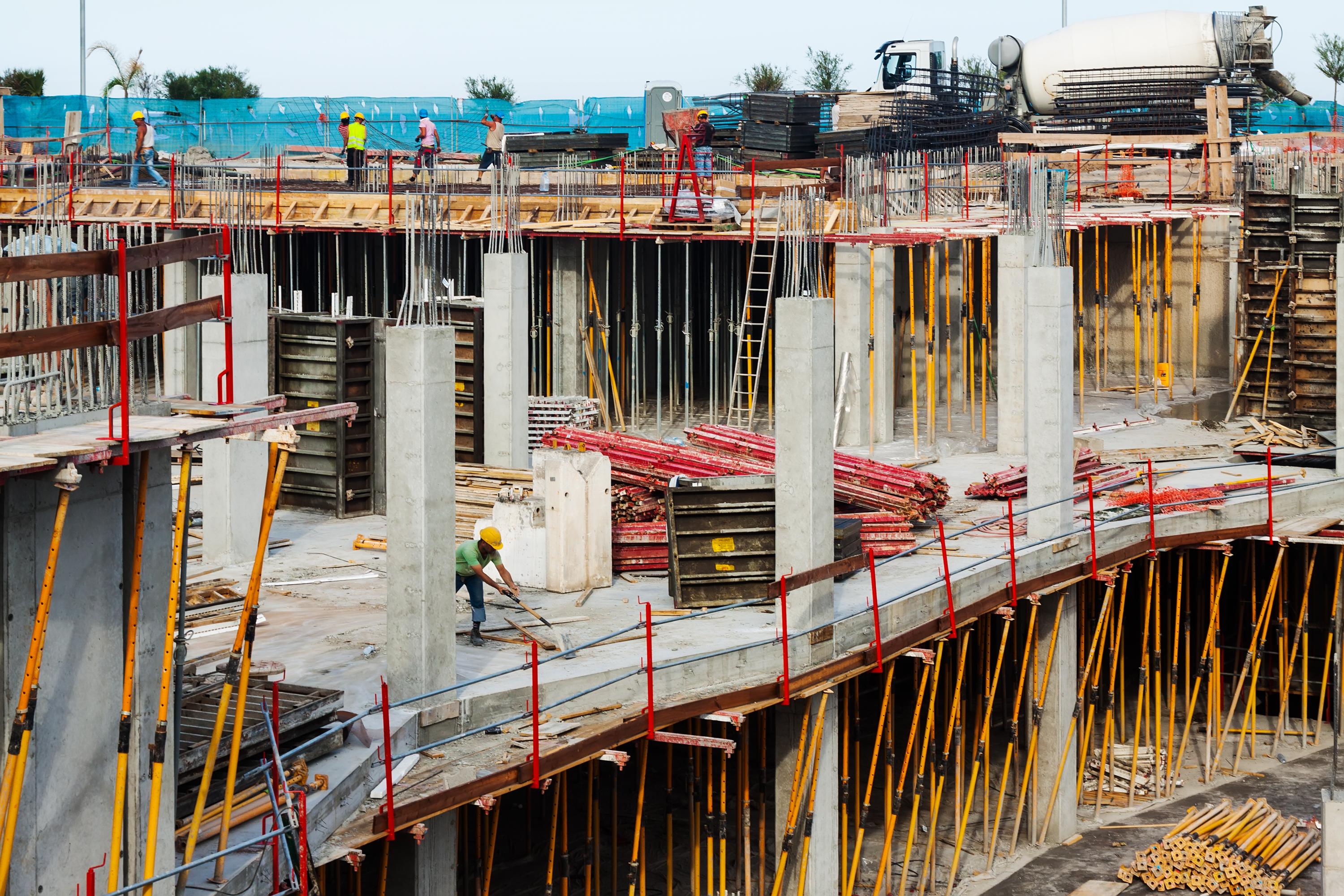
The construction industry is a cornerstone of modern society, playing a critical role in the development of infrastructure and buildings essential for daily life. From residential homes and commercial buildings to roads, bridges, and airports, construction projects shape the physical landscape and drive economic growth. The construction industry is a significant contributor to the global economy, providing employment to millions of people and generating substantial economic activity.
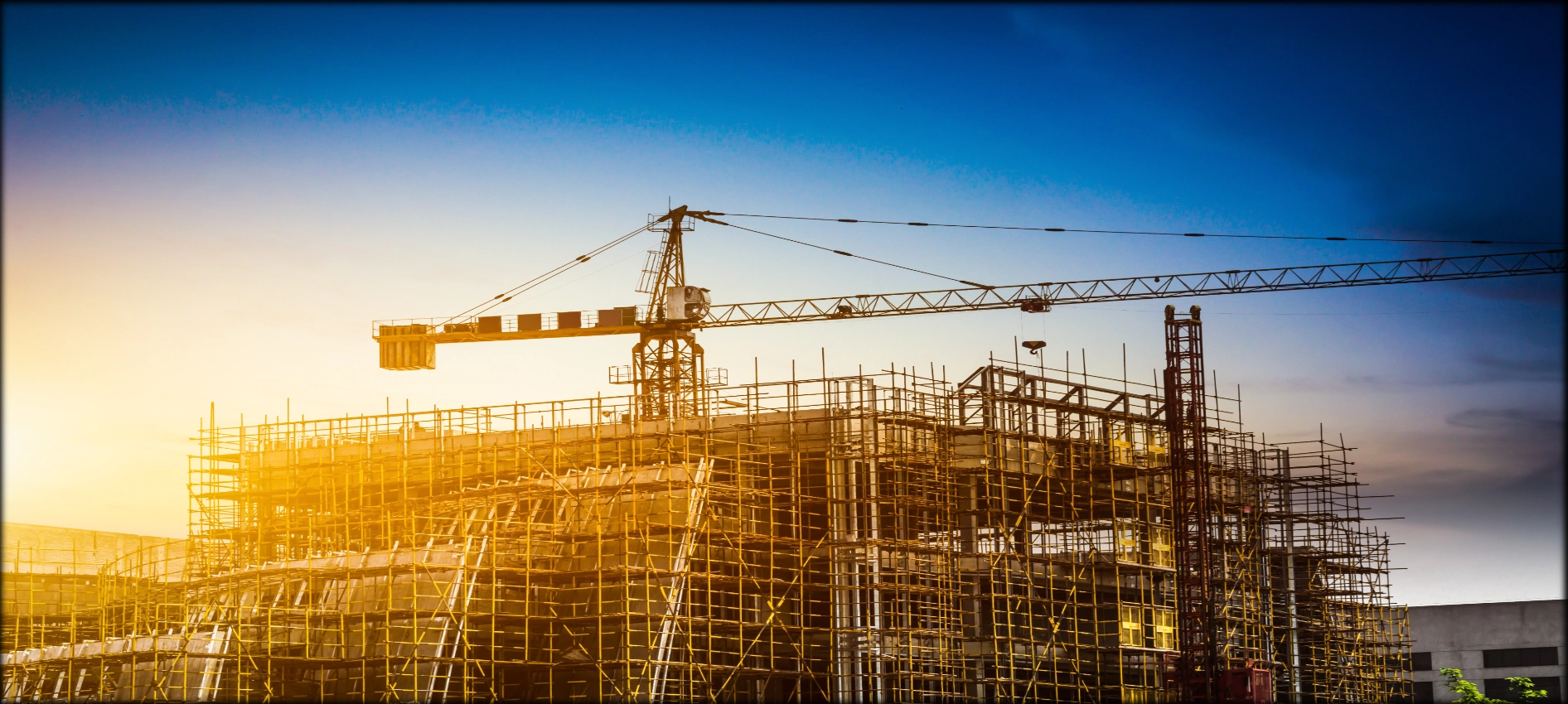
It encompasses a wide range of activities, including design, planning, financing, and building. This sector not only supports other industries by providing the necessary infrastructure but also stimulates economic growth by creating jobs and enabling business operations.
Infrastructure development is a primary focus of the construction industry. Well-constructed roads, bridges, and public transit systems are crucial for efficient transportation, which is vital for trade and commerce. Additionally, the construction of schools, hospitals, and other public buildings is essential for delivering education and healthcare services to communities.
The construction industry is undergoing significant changes driven by advancements in technology, increasing sustainability demands, and evolving project management practices. Some of the notable trends include:
Green Building and Sustainability: There is a growing emphasis on sustainable construction practices. Green buildings, which are designed to reduce environmental impact and enhance energy efficiency, are becoming more common. This trend is driven by regulatory requirements, consumer demand, and a broader awareness of environmental issues.
Technological Advancements: Technology is transforming the construction industry. Building Information Modeling (BIM), drones, 3D printing, and automation are revolutionizing how construction projects are planned and executed. These technologies improve accuracy, efficiency, and safety, while reducing costs and project timelines.
Modular Construction: Prefabrication and modular construction methods are gaining popularity. These techniques involve assembling building components off-site in a controlled environment and then transporting them to the construction site for final assembly. This approach reduces construction time, minimizes waste, and enhances quality control.
Smart Buildings: The integration of smart technology into buildings is another emerging trend. Smart buildings are equipped with sensors and automation systems that monitor and control various functions, such as lighting, heating, and security. This not only improves energy efficiency but also enhances occupant comfort and safety.










United home decor building, Darbe puttur, 574202 Mangalore.
75/2, Thanisandra Main Rd, Balaji Layout, Chokkanahalli, Bengaluru, Karnataka 560064

Copyright © 2024 United Group. All rights reserved.